OEM vs Aftermarket iPhone Screens | What's the Real Difference?
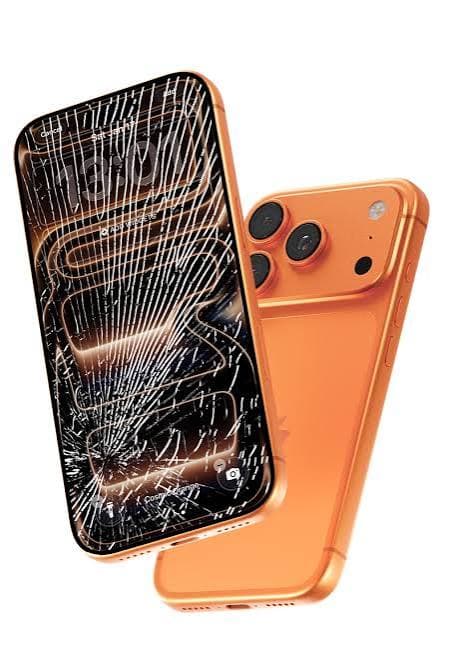
Quick Answer: OEM screens are made to Apple's exact specifications and preserve features like True Tone and full touch accuracy, while aftermarket screens are made by third-party manufacturers and vary widely in quality, from passable budget options to premium copies that come close to OEM performance. OEM costs more but keeps your iPhone's display message clean, your resale value intact, and your experience identical to factory condition. Aftermarket is cheaper and fine for older or budget-focused phones, but carries real tradeoffs worth knowing before you choose.
A cracked screen puts you in front of a decision most people have not thought about before: which type of replacement screen actually goes into your phone. Repair shops will usually offer at least two tiers, and the difference between them is bigger than most people expect, both in how the phone performs afterward and in what it is worth later on.
What OEM Actually Means
OEM stands for Original Equipment Manufacturer, and for a screen, it means the display is made to the exact specification Apple uses in a factory-fresh iPhone. On many models this includes a small IC chip on the flex cable, the same component that lets the phone recognize the screen as genuine. An OEM or genuine screen preserves True Tone, the feature that automatically adjusts color temperature based on ambient lighting, along with full touch sensitivity and accurate color calibration straight out of the box.
What Aftermarket Actually Means
Aftermarket screens are produced by third-party manufacturers rather than Apple, and the quality within this category varies more than people assume. At the lower end, budget aftermarket screens tend to run noticeably colder or bluer in color compared side by side with an original screen, and touch response can feel slightly delayed. At the higher end, premium aftermarket OLED options come much closer to OEM performance, sometimes scoring in the 90 percent range on color accuracy testing, though they are typically also slightly thicker than a genuine display, by a fraction of a millimeter that can show as a faint edge where the screen meets the frame.
Why This Decision Matters More Than It Seems
The "Unknown Part" warning
On iPhone 11 and later, installing a non-genuine screen can trigger a persistent message under Settings noting that the display's authenticity cannot be verified. This does not stop the phone from working, but it is visible every time you check your settings, and it shows up clearly in the phone's repair history if you ever sell or trade it in.
Resale and trade-in value
A phone with a genuine screen replacement retains more of its resale value than one with an aftermarket part, since trade-in programs and private buyers alike can see the part status in the phone's history. For a phone you plan to keep for years, this matters less. For a phone you expect to upgrade from within a year or two, it is worth factoring into the repair decision.
True Tone and display accuracy
True Tone support is tied to the original display's calibration data, and most aftermarket screens, even good ones, do not fully replicate this feature. If you are someone who notices color shifts or relies on accurate color for photo editing or design work, this is one of the more noticeable practical differences day to day.
A Side by Side Comparison
| Feature | OEM / Genuine Screen | Aftermarket Screen |
|---|---|---|
| True Tone support | Full support | Often missing or inconsistent |
| Touch accuracy | Matches original | Good to very good on premium options, inconsistent on budget options |
| Color accuracy | Matches original calibration | Varies, premium options close to OEM |
| "Unknown Part" warning | Does not trigger | Can trigger on iPhone 11 and later |
| Resale and trade-in value | Fully preserved | Reduced, especially on newer models |
| Cost | Higher | 30 to 50 percent lower, depending on quality tier |
When Aftermarket Is a Reasonable Choice
For an older iPhone used mainly for calls, messaging, and browsing, where the owner has no plans to sell or trade it in, a quality aftermarket screen is a perfectly reasonable choice and keeps the repair cost down significantly. The practical difference in daily use is often small enough that most people would not notice it without placing two phones side by side.
When Genuine Is Worth the Extra Cost
For a newer iPhone, a phone used for photography or design work where color accuracy matters, or any phone you expect to sell or trade in within the next year or two, a genuine screen is generally the better value once resale value and long term performance are factored in rather than just the upfront repair cost.
What to Expect at NexaFix
NexaFix offers both genuine and carefully tested compatible screen options for iPhone repairs, and our technicians walk you through the real tradeoffs for your specific model before you decide, rather than defaulting to whichever option is more profitable to install. If you are still weighing whether a screen replacement makes sense at all compared to other repair or replacement options for an aging device, that same cost-based thinking applies here too, just scaled to a phone instead of a laptop.
Our iPhone repair service covers screen replacement using either part type, with the actual cost difference explained clearly before any work begins, so the decision is yours to make with full information rather than a guess.
Frequently Asked Questions
Will I be able to tell the difference between OEM and a premium aftermarket screen just by looking at it?
For most people, a premium aftermarket screen looks very close to genuine in everyday use. The more noticeable differences tend to show up in True Tone behavior and under closer side by side comparison rather than at a glance.
Does an aftermarket screen void my iPhone's warranty?
If your iPhone is still within Apple's original warranty period, a third-party screen replacement of any kind, OEM or aftermarket, will affect that coverage. Most phones brought in for screen repair are already outside this window.
Can I switch from an aftermarket screen to a genuine one later?
Yes, a screen can be replaced again later if you decide you want a genuine display down the line, though this does mean paying for a second repair rather than getting it right the first time.
Does the "Unknown Part" warning mean something is wrong with my phone?
No, it simply means the phone cannot verify the installed screen as an original Apple part. The phone will continue to function normally with the warning present.
Is budget aftermarket ever a bad idea?
For a phone used daily and relied upon heavily, a very low quality aftermarket screen with poor touch response or inaccurate colors can genuinely be frustrating to use. Choosing a reputable mid to premium aftermarket option, or genuine where the cost difference is manageable, avoids this outcome.
The Bottom Line
The choice between OEM and aftermarket iPhone screens comes down to how long you plan to keep the phone, whether color accuracy matters for how you use it, and whether resale value factors into your decision. Neither option is universally right, but knowing exactly what you are trading off, rather than assuming all replacement screens are the same, makes it a much easier call.
If you are not sure which option makes sense for your specific iPhone, book a free diagnosis with NexaFix and we will walk you through both options honestly before you decide.